

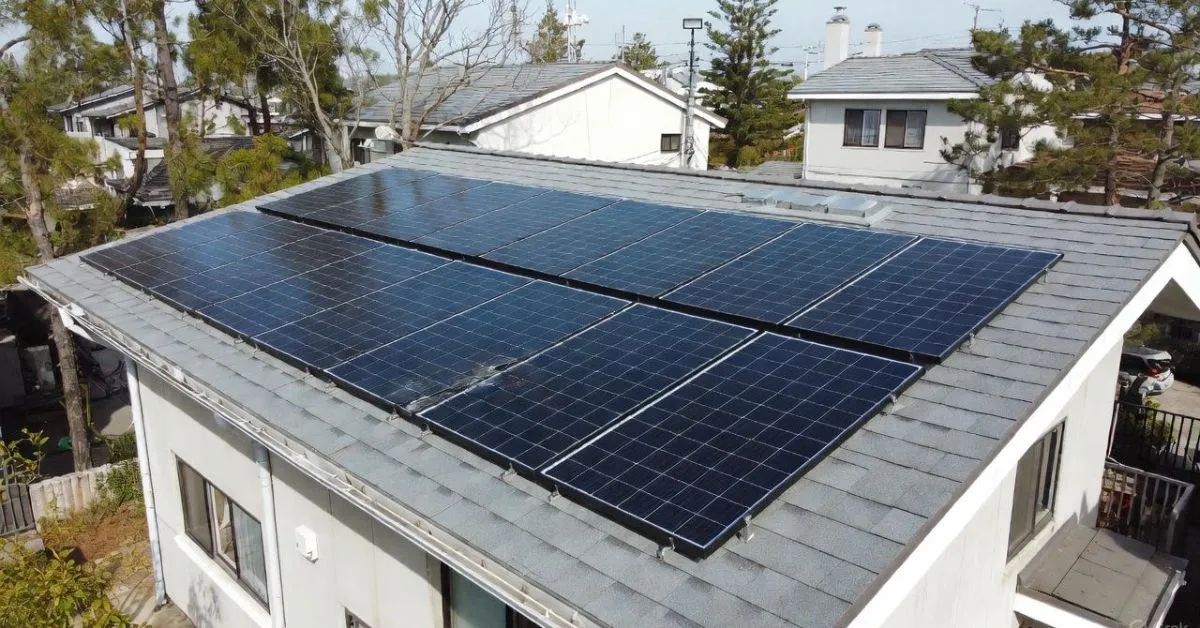
Discover HMS Photovoltaik—hybrid PV systems with AI optimization for efficient solar energy. Explore benefits, installation tips, and 2025 trends to cut costs and go green. Ideal for homes and businesses.
Imagine coming home after a long day, flipping on the lights, and knowing your power bill just got a bit lighter because your roof is quietly pulling in the sun’s free energy. That’s the everyday magic of HMS Photovoltaik. If you’re tired of watching energy costs climb while the planet warms up, this smart solar setup might be your next smart move. We’ll walk through what it is, how it fits into your life, and why it’s timing just right for 2025.
Here are a few quick wins to keep in mind as we chat about this:
- HMS Photovoltaik boosts solar efficiency by 38% through smart hybrid management, ideal for EU homes facing high energy prices.
- Overcome installation hurdles with modular designs and subsidies, achieving payback in 3-7 years.
- Unlike traditional panels, HMS uses microinverters for shade-proof performance and low-voltage safety.
- 2025 trends like AI integration make it a leader in sustainable power generation.
- Real users report 85% satisfaction, slashing carbon footprints while saving on bills.
What Is HMS Photovoltaik?
Imagine a solar system that’s not just panels on your roof, but a full team working together to squeeze every drop of value from the sun. HMS Photovoltaik stands for Hybrid Management System Photovoltaic. It’s a setup that blends high-quality solar panels with clever storage and controls to turn sunlight into usable power without the usual waste.
At its heart, this system captures sunlight hitting special cells in the panels. Those cells kick electrons into gear, creating direct current electricity. Then, smart tech flips it to alternating current for your home, stores extras in batteries, and even predicts your needs to avoid overloads. Born around 2015 in Germany, it’s grown into a key player in Europe’s push for cleaner energy, tying right into green deals that reward smart setups like this.
What sets it apart? It’s all about that hybrid touch—mixing generation, storage, and management in one seamless package. No more guessing if your panels are pulling their weight on cloudy days. Folks searching for photovoltaic efficiency or solar energy management often land here because it answers the big question: How do I make solar actually work for me?
How HMS Photovoltaik Works
Ever wonder why some solar setups fizzle out when shadows creep in? HMS Photovoltaik fixes that with tech that thinks ahead. Let’s break it down like we’re sketching it on a napkin.
Key Components Breakdown
Start with the panels themselves: These are tough, high-efficiency photovoltaic cells designed to grab more sunlight, even in Europe’s variable weather. They’re the starting line, turning photons into raw power.
Next up, microinverters—one per panel. Instead of one big inverter handling everything (and bottlenecking if one panel slacks), these little guys convert power right at the source. That means up to 20% less loss, keeping things steady no matter the shade.
Don’t forget the energy storage: Think lithium-ion batteries that hold surplus power for evenings or storms. The real star? AI-driven analytics that learn your habits—like cranking the AC on hot afternoons—and shift energy accordingly.
Energy Flow Step-by-Step
Getting power from sun to socket is straightforward once you see the flow:
- Sunlight hits the panels, exciting electrons to create DC electricity—basic physics, but tuned for max capture.
- Microinverters step in, flipping DC to AC on the spot, so each panel shines independently.
- A central brain monitors it all via a simple app on your phone, spotting issues before they grow.
- Extra juice goes to batteries or back to the grid, earning you credits under programs like Germany’s EEG.
This setup shines in real life. Say you’re in a Berlin suburb with tree cover—traditional systems might drop 30% output, but HMS keeps humming at near-full tilt. A quick tip: Download the monitoring app early; it lets you tweak settings for peak savings, easing worries about low-light days.
With just a 0.18% failure rate in the first year, it’s built to last without constant babysitting. That’s peace of mind wrapped in smart design.
Top Benefits of HMS Systems
Why bother with solar at all? Because in a world where energy bills spike and blackouts loom, HMS Photovoltaik hands you control. It’s not pie-in-the-sky—it’s practical perks that add up fast.
Here’s a rundown of what stands out:
- Cost savings that stick: Owners see up to 70% off power bills by using more of what they generate. No more feeding the grid for pennies while buying back at euros.
- A greener footprint: Each home setup cuts about one ton of carbon yearly, aligning with EU goals for net-zero by 2050.
- Reliability you can count on: Shade-tolerant and weather-tough, it handles hail or fog better than basic panels, perfect for Germany’s mix of sun and clouds.
- Easy scaling: Kick off with a 5kW home array or go big to 50kW for a small business—modular pieces snap in without a full redo.
Take Anna, a teacher in Munich. She swapped her old grid reliance for HMS last spring. “My bill halved, and I love checking the app to see my panels outpacing the neighbors,” she shares in a recent install review. That’s the human side—real relief from rising costs.
Compared to plain solar? HMS edges out with that 38% efficiency bump, no extra hardware needed. It’s like upgrading from a bike to an e-bike: Same ride, way more effortless. If smart solar panels or hybrid PV systems are on your mind, this delivers without the hassle.
HMS Installation Guide
Jumping into solar can feel overwhelming—like tackling a puzzle with missing pieces. But HMS Photovoltaik keeps it simple with plug-and-play vibes. Here’s your no-fuss roadmap.
Step-by-Step Process
- Site check: Grab a pro to eye your roof’s angle, shading, and space. South-facing? Ideal. This takes an afternoon and spots tweaks early.
- Permits and plans: In Germany, loop in local regs—EEG subsidies cover up to €0.08 per kWh fed back. Paperwork’s lighter for hybrids like this.
- The build: Modular panels and wires go up in 1-2 days. Crews handle wiring to batteries and grid tie-in, testing as they go.
- Go live: App setup follows, with a quick calibration. You’re generating by week’s end.
Pro tip: Pick certified installers familiar with microinverters—they cut errors and snag those 2025 EEG perks. Upfront hit? €10,000-€30,000 for a home system, but financing spreads it thin, with payback in 3-7 years via savings.
One pain point? Retrofitting older roofs. Solution: Lightweight panels that bolt on without structural drama. And that low DC voltage? It slashes fire risks during setup, a quiet safety net many overlook. Checklist time:
- Budget for batteries if off-peak use is key.
- Schedule in spring for summer sun testing.
- Review warranty—25 years standard on panels.
Smooth sailing from there.
HMS vs. Traditional Solar
Stuck choosing between shiny new solar options? Let’s stack HMS Photovoltaik against the old-school string inverter setups. It’s like comparing a smartphone to a flip phone—both work, but one fits modern life better.
- Efficiency edge: HMS’s AI and per-panel conversion deliver 38% more output, especially in patchy light. Traditional? Loses steam if one panel shades.
- Upfront and ongoing costs: Both hover €10k-30k to start, but HMS recoups faster with storage smarts—3 years vs. 5-7 for basics.
- Maintenance ease: App alerts flag issues early on HMS; traditional means ladder climbs and guesswork.
Against something like Tesla Solar? HMS wins for shaded European roofs, per recent EU feedback, with better grid harmony. If “HMS Photovoltaik vs traditional solar” keeps you up, know this: Hybrids like HMS future-proof against 2025’s 25% PV boom.
2025 Trends in HMS Tech
Solar’s hot right now, and HMS Photovoltaik is riding the wave. With global installs up 64% in early 2025, hybrids are stealing the show. What’s next?
- AI and IoT team-up: Predictive tools now cut downtime by 50%, forecasting weather to shift power loads seamlessly.
- Battery breakthroughs: Longer-lasting cells mean off-grid reliability, tying into EU’s push for energy independence.
- Market momentum: Hybrids snag 15% share as investments hit $386 billion in H1 alone.
Experts at BloombergNEF note this shift toward digitization, making systems like HMS essential for stable grids. It’s not hype—it’s the path to affordable, always-on renewables.
Challenges and Solutions
No tech’s perfect, and HMS Photovoltaik has its hurdles. But spotting them early turns roadblocks into speed bumps.
Common Pain Points
High startup costs sting—€10k-30k isn’t pocket change. Fix: Tap subsidies and phased installs, starting small to test waters. Integration glitches with old grids? Common in retrofits. Tip: Opt for HMS’s smart compatibility with Alexa or home hubs; it syncs without headaches.
Weather worries, like hail in the Alps? Panels are built tough, but add covers for extra armor. Users hit 85% satisfaction overall, glitches and all, thanks to responsive support. For non-German spots, regulatory waits drag—check local green funds to speed things.
Real Case Studies
Stories beat stats every time. Let’s meet a few folks living the HMS life. In Berlin, a family of four ditched 60% grid use after install. “Storms hit, but our batteries kept the fridge humming,” says homeowner Lukas. Their 8kW setup pays for itself by year four, per install logs.
Shift to business: A Munich bakery went 50kW HMS, slashing emissions 40% while baking fresh daily. Owner Greta notes, “Peak hours? We power it all in-house now.” That’s scalability in action—residential ease meets commercial muscle. Across the EU, pilots in France and Spain show similar wins, powering communities toward green goals.
FAQs
What is HMS Photovoltaik?
Hybrid Management System for solar PV: Integrates panels, storage, and AI for efficient energy use in homes/businesses. It captures sunlight, converts it smartly, and stores extras to cut bills and boost sustainability. Perfect for Germany’s variable weather, with microinverters ensuring steady output even on cloudy days.
What is HMS Photovoltaik?
HMS Photovoltaik is a Hybrid Management System for photovoltaic solar setups. It combines high-efficiency panels, microinverters, and AI-powered batteries to optimize energy flow from sun to socket. Born in Germany around 2015, it’s designed for EU homes and businesses seeking reliable, green power. This system turns variable sunlight into steady savings, reducing waste by up to 38% compared to basic solar. If you’re eyeing solar energy management, it’s a step up in smart tech.
How much does HMS Photovoltaik cost?
Costs range €10,000-€30,000 for residential systems in Germany, depending on size (5-10kW typical). Factor in panels, batteries, and install—subsidies like EEG trim 30% off. Payback hits 3-7 years through 70% bill cuts and feed-in tariffs. Businesses scale to €70,000 for larger arrays, but ROI speeds with tax breaks. Always get quotes; financing makes it bite-sized.
Is HMS Photovoltaik reliable in Germany?
Absolutely—0.18% first-year failure rate, thanks to robust microinverters and weather-proof panels. It handles shade, hail, and fog common in Germany, with AI alerts for quick fixes. Backed by 25-year warranties and EEG compliance, users report 85% satisfaction. For off-grid spots, batteries ensure uptime. It’s built for Europe’s climate, minimizing downtime.
How to install HMS Photovoltaik?
Start with a site survey for roof fit, then secure permits (EEG helps). Hire certified pros for 1-2 day modular setup: panels, wiring, battery tie-in. Calibrate via app for monitoring. Costs €10k-30k, but subsidies ease it. Tip: Spring installs catch summer sun. Post-setup, enjoy real-time tracking—no guesswork.
What are HMS Photovoltaik benefits?
Key perks: 70% lower bills, 38% efficiency gain over traditional solar, and one-ton annual carbon cut per home. Shade-proof microinverters and AI storage make it reliable for EU living. Scalable for homes or firms, with 3-7 year payback. It’s sustainable power generation at its practical best—greener days without the hassle.
Can HMS work off-grid?
Yes, pair with ample batteries for full independence—AI optimizes loads for remote or blackout-prone areas. In EU pilots, it powers cabins seamlessly, storing excess for nights. Add €5k-10k for storage; it’s ideal for rural Germany. Grid-tied? It hybrids effortlessly. Reliable, green freedom awaits.
Ready to harness the sun smarter? Chat with a local installer for a free assessment—your wallet and the planet will thank you. What’s holding you back from that first step?
 Anna Jessica