
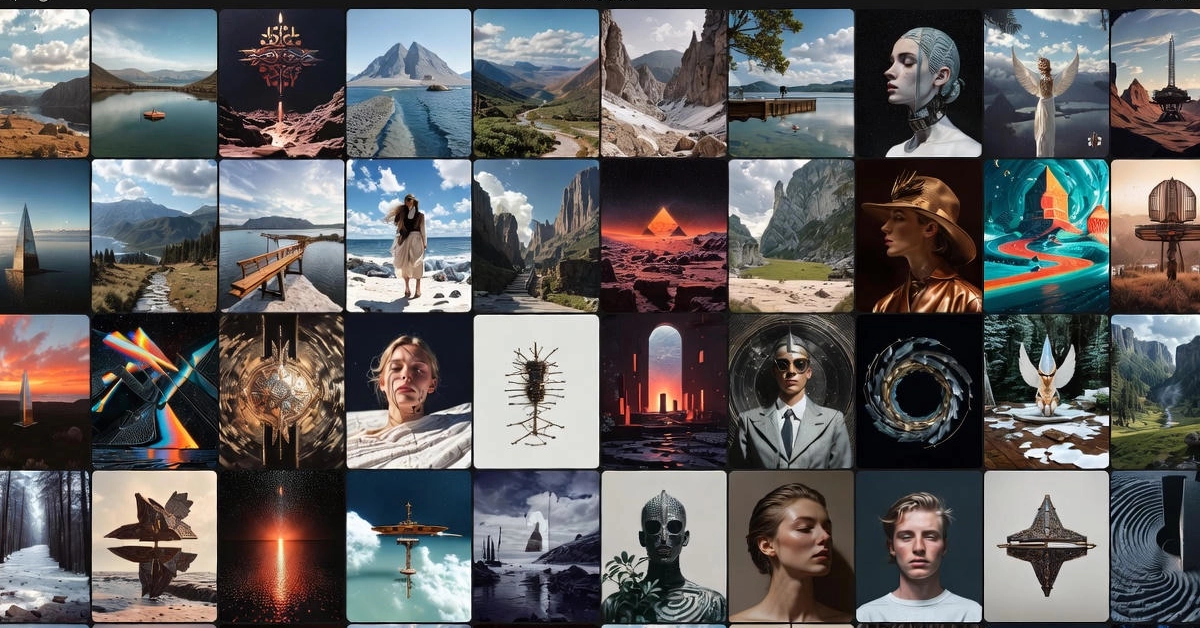
I still remember the first time I found DeviantArt back in high school. I was that awkward kid with a sketchbook, and suddenly there was this massive online world full of people who actually got it. Fast-forward to today, and the site is 25 years old, has over 100 million accounts, and more than 700 million pieces of art uploaded. Wild, right? But it’s also been through a lot lately, and a bunch of drama, redesigns, and that whole AI mess. So let’s sit down like friends and figure out what DeviantArt actually feels like in 2025.
Key Takeaways
- It’s still huge — 100 million users, millions in sales for artists this year alone.
- You can absolutely make money, but it takes work (and luck).
- The AI situation made a ton of people furious and led to a lot of people leaving.
- Bullying and scams are real problems, but there are ways to stay safe.
- There are plenty of great alternatives now if you want something fresher.
What Is DeviantArt?
Imagine a giant, never-ending art show that lives on the internet. You make a free profile, throw up your drawings, photos, stories, whatever you create, and strangers from all over the world can heart it, comment, or even buy prints. That’s still the heart of it. Wix owns it now (they bought it back in 2017), so there’s a bit more “let’s sell stuff” energy than there used to be, but at its core, it’s still a place for creators to hang out and show off.
Most people using it are 18–24, and yeah, it still has that strong anime/fantasy/fan-art vibe. If that’s your thing, you’ll feel right at home.
DeviantArt History
It started in 2000 when some guys basically said, “Hey, let’s make a spot for weird, cool, non-mainstream art.” It blew up fast. By the mid-2000s, it felt like every digital artist on the planet had a page. The 2008–2012 era? Pure magic. People lived in the forums, joined contests, and made lifelong friends.
Then came the big Eclipse redesign in 2020 (a lot of folks hated how slow it got), the Wix buyout, and in 2022 — DreamUp, their own AI art generator. That one decision lit the match on years of frustration, and we’ll get to that in a minute.
Why DeviantArt Still Feels Like Home
What keeps DeviantArt special, even after all these years, is the feeling that someone out there gets you. You could drop a messy sketch at 2 a.m., half embarrassed, half proud, and some stranger from another country will leave a comment telling you your style is “underrated.” That tiny moment — that spark — is what has kept millions of artists coming back. It’s not perfect, but it’s one of the few places where beginners, pros, hobbyists, and daydreamers all exist in the same messy, chaotic, strangely comforting space.
Watching Artists Grow Is the Real Magic
And honestly, something is inspiring about seeing people grow on the platform. You’ll stumble across artists who posted awkward doodles in 2014 and now draw like full-blown professionals in 2025. Scrolling through their old galleries feels like watching someone’s entire creative journey unfold in real time. It reminds you that improvement isn’t magic — it’s just consistency, community, and a little courage to keep sharing your work even when it doesn’t feel “good enough” yet.
What You Can Actually Do There
- Upload pretty much anything creative — drawings, photos, poems, 3D renders, you name it.
- Organize everything into neat galleries and folders.
- Turn on mature-content filters if you need to keep things PG.
- Use DeviantArt Protect to (hopefully) stop your work from being scraped to train AI models — super important these days.
Pro tip: I wish someone had told me years ago: always turn Protect on right when you make your account. It’s off by default, and that’s burned a lot of people.
Making Money — Yes, It Still Happens
Artists made over $10 million in the first six months of 2025 alone. That’s double what they did the year before. Prints, commissions, little virtual goodies called Adoptables — people are definitely cashing checks.
If you want in, here’s what actually works:
- Post consistently (like, every week).
- Hang out in groups and comment on other people’s stuff — yeah, it feels cheesy, but it builds real connections.
- Price your commissions fairly and always ask for half upfront (scammers hate that).
The Not-So-Fun Parts Everyone Talks About
Look, I’m not gonna sugarcoat it — there’s drama. The AI thing? A lot of longtime users felt straight-up betrayed when DeviantArt launched DreamUp and started feeding everyone’s art into it unless they opted out. Even with the Protect button, trust took a huge hit. You’ll still see people yelling about it in 2025.
Then there’s the community side. Bullying happens. Weird fetish art pops up in searches even with filters on. Scammers slide into your notes pretending they want a $500 commission and then ghost you. It’s not everywhere, but it’s common enough that you have to keep your guard up.
Where Everyone’s Moving Instead
A bunch of my artist friends packed their bags and left. Here’s where they landed and why:
- Cara — basically the “we hate AI training” clubhouse. Super clean, growing fast.
- ArtStation — feels more professional, great if you want game or film jobs.
- Pixiv — heaven for anime and manga artists.
- Behance — slick portfolios, especially if you’re into design.
Moving isn’t hard — download everything from DeviantArt, make a goodbye journal with your new links, and go. Most people keep both accounts for a while just in case.
Little Tricks That Still Make DeviantArt Worth It
- Turn on two-factor authentication the second you sign up.
- Never click sketchy external payment links — use PayPal invoices or the site’s own system.
- Watermark everything lightly; it won’t stop thieves, but it helps.
- Join small, tight-knit groups instead of shouting into the void on the front page.
And if you do play with AI tools? Just be upfront in the description. People respect honesty way more than sneaky stuff.
Conclusion
At the end of the day, DeviantArt in 2025 is still a massive, iconic art community — but it’s also a platform going through growing pains. The creativity, nostalgia, and opportunities to earn money are very much alive, but the AI controversy, moderation issues, and community drama mean it’s not the perfect home it once was for everyone.
If you’re a hobbyist looking for a place to share sketches, connect with other artists, or get your first small commissions, DeviantArt is still a great starting point. If you’re a professional searching for a calmer, more polished environment, you may want to explore alternatives like Cara, ArtStation, or Behance.
No matter where you decide to post your art, the important thing is that your creativity gets seen. Try platforms, experiment, and choose the space that feels right for you. Who knows — your next follower, client, or inspiration might be just one upload away.