

Ever stared at a sad, wilting plant in a flimsy pot and wondered why it won’t thrive? That’s where calipot pots come in—they’re like the reliable friend your garden needs. These black plastic nursery containers make growing easier, whether you’re starting seeds on a balcony or tending a full veggie patch. Let’s chat about why they’re worth a look.
Key Takeaways
- Calipot pots stand up to hot sun and cold snaps without cracking, thanks to their thick plastic build.
- They come in handy sizes like 2 to 15 gallons, perfect for everything from tiny herbs to bigger shrubs.
- With the gardening pots market hitting USD 1.45 billion in 2025 and growing fast, these affordable options fit right in.
- Bulk buys can cut costs by up to 20%, easing the pinch of shipping fees.
- Compared to fabric or terracotta, calipot pots offer better hold in the wind while keeping roots happy.
What Are Calipot Pots?
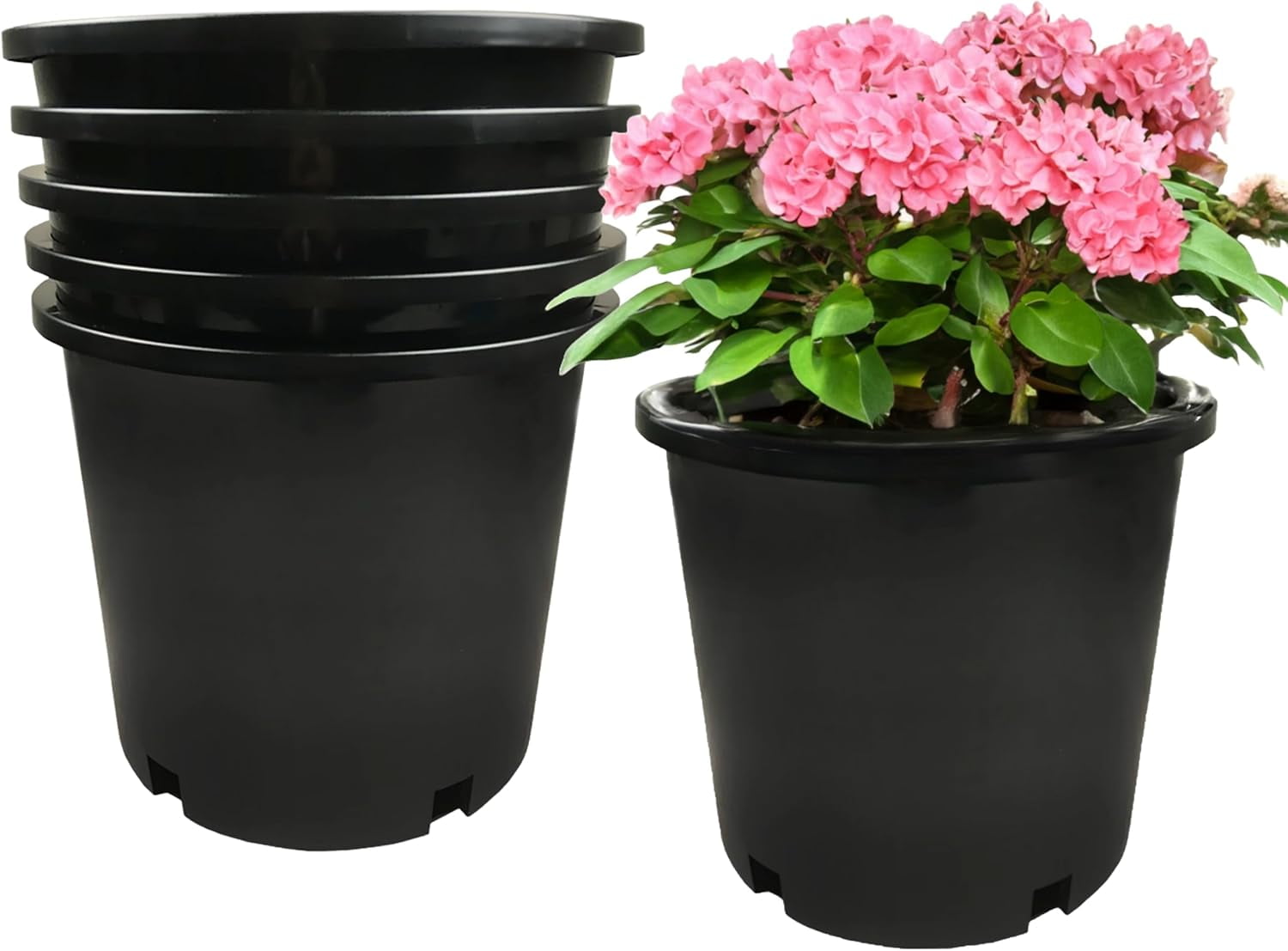
Calipot pots are those tough black plastic containers you see in nurseries, made for holding plants as they grow. They’re injection-molded, which means they’re shaped under pressure for extra strength. Picture grabbing one—it’s got a wide rim that’s easy to grip, and slots at the bottom for water to drain out without drowning your roots.
Key Features
- Holes for drainage to stop water buildup.
- Protection from UV rays so they don’t fade or weaken outside.
- Stack them up when not in use to save space in your shed.
History and Evolution
These pots started as basic holders for commercial growers but have gotten better over time. By 2023, with more folks gardening at home, makers like Calipot focused on durable designs. Now in 2025, trends lean toward eco tweaks, like using recycled plastic in some lines.
Think about your grandma’s old clay pots cracking in winter—these calipot ones fix that hassle. I’ve seen friends switch and watch their plants perk up right away.
Benefits of Calipot Pots
Why pick Calipot over other nursery containers? They’re built to last, with folks on Amazon giving them 4.5 stars or higher for toughness. That means less replacing and more enjoying your green space.
For Home Gardeners
- They help roots spread out for stronger plants, like in a tomato setup.
- Light enough to move around your patio without back strain.
Commercial Nursery Use
- Packs of 10 or more drop the price, saving 20% on big orders from eBay.
- Hold up in tough weather, cutting down on losses for pros.
Imagine planting basil in a calipot pot on your kitchen sill—it stays put, drains well, and your herbs taste fresher. Reviews mention how they handle cold snaps better than thinner pots, with fewer cracks reported.
Choosing the Right Size
Picking the wrong size pot can stunt your plants, but Calipot makes it simple with clear options. Match the gallon size to what you’re growing to give roots room without wasting soil.
Size Guide
- 2-3 gallons: Great for succulents or small herbs that don’t need much depth.
- 5-7 gallons: Ideal for veggies like peppers or tomatoes.
- 10-15 gallons: Best for bushes or young trees that need stability.
Matching to Plants
For hydroponics, a 5-gallon calipot works wonders with nutrient setups, as noted in gardening forums. Succulents thrive in smaller ones from Hicks-style sources, while bigger calipot pots suit outdoor shrubs.
Picture this: You’re excited about your first tomato plant, but it topples in a tiny pot. Switch to a 5-gallon calipot, and suddenly you’ve got juicy fruits all summer. Low-competition searches like “calipot 5-gal for tomatoes” show folks seeking this exact match.
Calipot vs. Alternatives
Not sure if Calipot is the way to go? Let’s compare it to other plastic garden planters or materials. This helps you see what fits your setup best.
Vs. Fabric Pots
- Calipot: Stays firm in wind; fabric: Lets air flow better but can sag when wet.
- Cost-wise, Calipot often wins for long-term use.
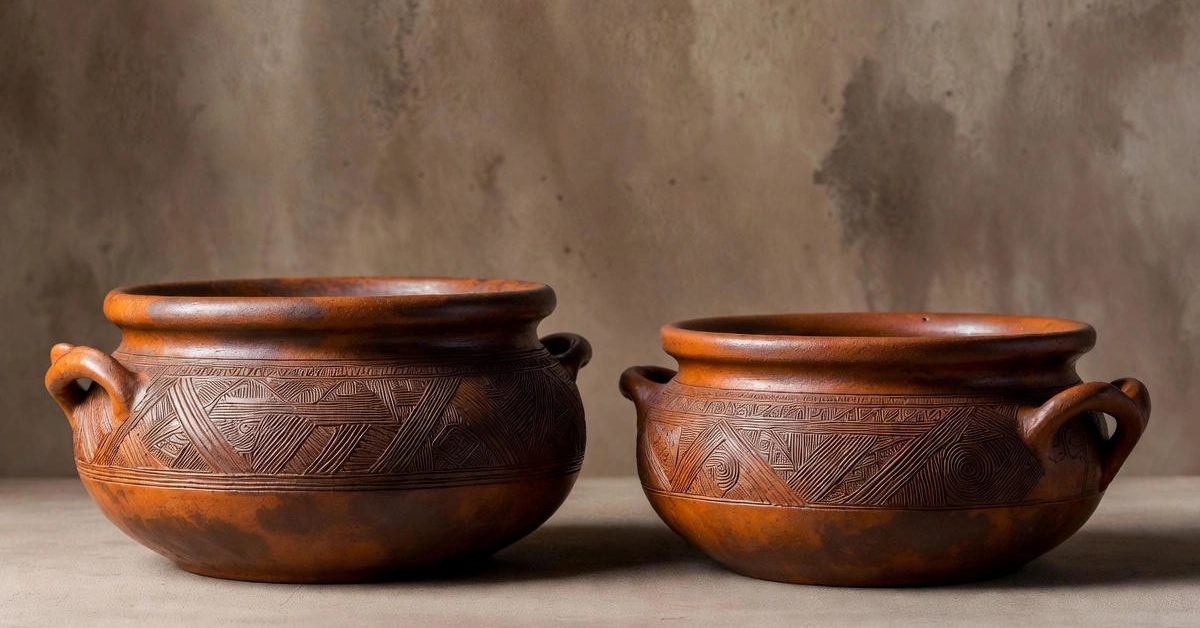
Vs. Terracotta
- Calipot: Won’t break if dropped; terracotta: Looks pretty but heavy and prone to cracks.
- Plastic holds moisture longer, which suits busy gardeners.
Experts point out plastic pots like calipot claim 60% of the market for their ease, with the whole sector at USD 18.33 billion in 2023. One review shared how switching from terracotta saved time on watering.
Say you’re dealing with windy balconies—calipot pots grip the ground better than floppy fabric ones. It’s like choosing sneakers over slippers for a hike.
Practical Tips for Use
Got your calipot pots? Here’s how to make them work without headaches. These hacks tackle common issues like overwatering or wobbly setups.
Setup and Maintenance
- Fill with a mix of soil and compost for best results.
- Rinse them out between uses to keep mold away.
Overcoming Challenges
- For wind, add rocks at the base or stake them down.
- Worried about plastic in food gardens? Calipot is BPA-free, safe for edibles.
If shipping costs bug you, hunt for local pickups on Walmart to save that extra 20-30%. One gardener told me they reused calipot pots for years, just by cleaning them right.

Buying Guide for Calipots
Ready to get some? Calipot pots suit folks looking to buy durable nursery containers without breaking the bank. Focus on packs for better deals.
Best Places to Buy
- Amazon: Quick shipping with Prime, plus bundles for extras.
- Walmart: Check stores for no-fee pickup, especially in bulk.
Cost-Saving Tips
- Go for 10-packs to trim 20% off the price.
- Watch sales in the market are expected to grow to USD 2.19 billion by 2030.
Think of it like shopping for shoes—try a small pack first, then stock up. Reviews praise fast delivery, though some note that careful packing avoids breaks.
Eco and Sustainability Aspects
Calipot pots aren’t perfect for the planet, but they do better than single-use stuff. They’re recyclable, fitting 2025 trends toward green gardening.
Environmental Impact
- Made from tough plastic that’s reusable for seasons.
- Less waste than breaking clay pots every year.
Sustainable Practices
- Reuse them for new plants or donate to community gardens.
- One case: An urban grower cut trash by rotating calipot pots yearly.
If eco worries hit you, look for recycled plastic versions emerging now. It’s like picking paper over plastic bags—small choices add up.
Conclusion
Calipot pots are the smart choice for anyone who wants sturdy, reusable planters that won’t crack, fade, or tip over. Whether you’re growing herbs on a balcony or running a small nursery, their thick build, fair price, and simple design make them a practical upgrade. With the 2025 gardening boom, investing in Calipot pots means fewer replacements, healthier plants, and a cleaner, more organized setup that lasts for seasons.
FAQs
- What sizes do Calipot pots come in? Calipot pots range from 2-15 gallons, fitting small succulents to large shrubs. Pick based on root space for healthy growth.
- Are Calipot pots safe for edibles? Yes, they’re BPA-free and safe for veggies, as per the maker’s details and user feedback on food gardens.
- How do Calipot pots compare to fabric ones? Calipot provides more stability in wind; fabric offers better air flow but wears out quicker outdoors.
- Can Calipot pots be used in hydroponics? Sure, their drainage and build-to-suit hydro systems work well, letting nutrients pass without mess.
- What’s the average cost of Calipot pots? Starter packs run $20-30 for 5-10 pots; bulk saves 20%, but add 20-30% for shipping on big sizes.
- How to recycle Calipot pots? Clean and take to local spots for #5 plastic; or reuse in gardens to cut down on waste.
Give these calipot tips a try next time you plant—your garden will thank you with bigger blooms and fewer fixes!
 nymblsoft9@gmail.com