

Introduction
Tucked right where the Sacramento and American Rivers meet, Sacramento is California’s capital and a spot where old stories mix with new ideas and amazing food. In 2025, with the state dealing with money changes and more people moving in, checking out Sacramento isn’t only for vacations—it’s about seeing a city that’s changing how we live in cities with weather issues and tech growth. This piece looks at Sacramento’s journey, from its Gold Rush days to its exciting plans ahead, with tips for visitors, folks thinking of moving, and anyone who loves good eats. If you’re curious about America’s “Farm-to-Fork Capital,” you’ll see why this hidden treasure should be on your list.
Hook
Guess what? Sacramento’s farming alone brings in a huge $12 billion for the area, keeping more than 55,000 people working and putting fresh stuff on plates from fancy restaurants to your local store. In a time when quick junk food is everywhere, Sacramento shows that getting food from nearby farms can taste great—and really help people and places.
Key Terms
- Farm-to-Fork: This just means using stuff grown close by, cutting down on long trips and helping nearby farmers—it’s what Sacramento is all about.
- Smart Growth: Planning cities to keep things green, easy to walk around, and not spreading out too much, which is a big part of the city’s dreams.
Background and History
Origin and Evolution
Sacramento kicked off back in 1839 when a guy from Switzerland named John Sutter set up a trading spot and fort just before the big California Gold Rush hit. By 1848, gold found at Sutter’s Mill brought a wild rush— the place went from almost nobody to over 10,000 folks in no time, turning into a messy town full of tents and wood buildings. It became an official city in 1850 and the state capital in 1854 after some big arguments in the government. That made it the heart of California’s decisions. Over the years, it went from a spot that flooded a lot—remember the huge 1862 flood?—to a tough city, thanks to smart walls along the rivers and trains that hooked it up to everywhere.
People like Leland Stanford, who made big money on railroads and was governor, changed things a lot—he helped pay for the Central Pacific Railroad that connected Sacramento to the big cross-country line in 1869. In the 1900s, lots of new folks came—Japanese farmers early on, Hmong families after the Vietnam War—and added their own flavors, making the farms and neighborhoods full of different cultures.
Historical Context
The Gold Rush wasn’t only about finding shiny bits; it shook everything up, pulling in people from China, Ireland, and more, but it also messed with nature, like when mining filled rivers with dirt. The 1906 earthquake in San Francisco even moved the capital back to Sacramento for a bit, showing how steady it was. After World War II, neighborhoods spread out, and in the 1960s, fights for equal rights pushed for fair rules, though stuff like the 1992 riots showed old problems with race. Now, that mix of past makes a city that’s 40% Latino, 15% Asian, and full of different backgrounds, with places like Oak Park still feeling like the old jazz days.
Core Concepts and Principles
Defining Key Ideas
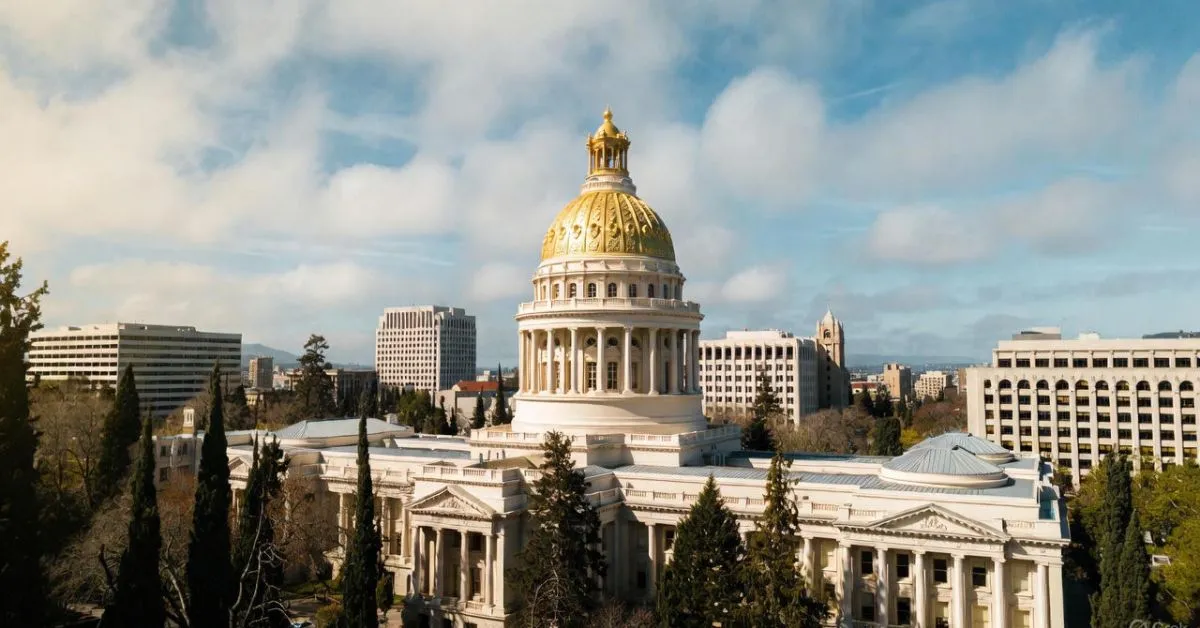
Deep down, Sacramento is all about bouncing back and trying new things. As the capital, it’s where the big decisions happen—in that cool Capitol Building, they make rules about weather stuff and tech. But the real star is Farm-to-Fork: sticking to food grown super close, with most ingredients coming less than 100 miles to your plate. It’s not fancy talk; it’s about yummy tastes (like tomatoes that actually taste like summer) and doing the right thing (helping small farmers instead of big companies).
Another big part is sustainability: With more than 230 sunny days, the city loves being outside, but ideas like saving water—super important in a dry state—show up in city trees and events that make no trash.
Frameworks and Models
The city’s 2040 General Plan is like a map for the future, mixing smart growth with big world goals for being kind to the planet. It plans for buildings that have shops and homes together to stop spreading too far, hoping half the trips by 2035 are on foot, bike, or bus. Picture it as a guide for the city: It ties in good jobs (aiming for 20,000 new ones in green tech) with fairness, making sure spots like Del Paso Heights get parks and fresh food too.
Real-World Relevance
These aren’t just ideas on paper—they’re why a picnic by the American River feels so nice, or why a restaurant in Midtown feels like a shout-out to nearby farms. In real life, they help people stay healthy (cutting down on bad food sickness) and keep money local (with food trips bringing in millions), showing how Sacramento mixes city life with country heart.
Current Trends and Impact
Modern Developments
Heading into 2025, Sacramento’s money scene is buzzing with a $160 billion total, where government jobs make up 25% and health plus tech are growing fast—Intel added 1,500 spots just last year. Visitors are a bit down across the state to 268 million, but locally things are holding strong: The State Fair broke records, and West Sacramento is putting tourism front and center in meetings. Stuff like the Abstract Intention art thing and Bardo shows are part of a creative wave, with 15 spots getting Michelin nods for the Farm-to-Fork eats.
Neighborhoods are feeling the growth: The bigger area is almost at 2.5 million people, up 0.5% in the city, bringing more variety and $6.5 billion from folks visiting.
Technological or Cultural Influence
Tech sneaks in with AI spots around the Capitol area, mixing with fun stuff like huge Hmong New Year parties that pull in 50,000. Social media is full of #SacFarmToFork shares, and apps like Visit Sac make exploring like a game. On the culture side, it’s a connector: Walls with paintings celebrate Black stories, and the bigger convention center mixes online stuff with live music.
Stakeholders
Visit Sacramento pushes the visitor side; the City Council helps fairness with $1 million for new business starters. Chefs like Patrick Mulvaney started the Farm-to-Fork push, and Governor Newsom put out ideas for dealing with camps. Groups like the Sacramento Food Bank make sure everyone gets a share.
Challenges and Controversies
Obstacles
Sacramento looks bright, but there are real snags: Houses cost $500,000 to $600,000 now, pushing families out and making homelessness worse—over 50,000 hit in the area. Hot summers over 100°F wear on power, and less help from the state—40% cut for shelters—makes it tougher. Even with all the food talk, some parts of South Sac don’t have easy healthy options, with 16% missing out.
Debates and Controversies
Clearing out camps gets people mad: Newsom’s 2025 plan talks about quick but kind action, but some say it’s too harsh and skips why it happens, like losing homes. Tiny homes for older folks—needing 30% of your money—started arguments in meetings about what’s fair. Farm-to-Fork gets questioned too: Which farmers? Some point out it ignores tough work in the fields. This stuff is important because it tests if everyone feels included in a city getting more mixed.
Potential Solutions
New affordable spots with 134 units are a good start; growing them with help from companies and government could add 1.8 million homes around the state by 2025. Things like community-owned land and buildings that handle heat better, plus rules that mix incomes, could help a lot.
Applications and Practical Implications
Real-World Use
You see Sacramento’s ideas every day: People ride bikes on the 32-mile path by the American River, mixing fun with caring for nature. Companies use tech and farming together—like drones checking crops to use less water. Folks take the Light Rail to skip driving, and kids at school eat lunches from nearby farms while learning about keeping things green. In government, the Capitol works on plans like the 2025 fairness push, changing how jobs look across the state.
Benefits and Drawbacks
The upsides are clear: Food trips make jobs; eating fresh helped drop bad health stuff 15% in some tests. It builds community pride, like markets bringing old areas back to life. Downsides? New fancy spots push out longtime people; visits can cost $200 a day, not for everyone. Buses aren’t perfect everywhere, but phone apps help fix that.
The Future Outlook
Trends and Predictions
By 2030, more people—maybe 10% growth—will need smart building in the city, not out in fields, says some forecasts. Look for almost all power from clean sources through the local utility’s plan, cutting bad air in half. Visitors should bounce back with nature-focused trips, hitting 271.6 million in the state.
Innovations on the Horizon
Smart farm tools with AI, like apps guessing when to pick, and growing food in buildings could keep everyone fed. The long plan wants self-driving buses and roofs with plants; the art museum will add virtual Gold Rush fun. College research points to mixing farms with new meds.
Long-Term Impact
What will Sacramento leave behind? A way for cities to stay strong—fair, green, tasty. By the middle of the century, it might lead in handling weather changes in towns, showing others how and turning “Farm-to-Fork” into something for years ahead.
Case Studies or Real-Life Examples
Relevant Case Studies
Farm-to-Fork Takeoff: It started in 2009 and made Sacramento a food hot spot. Chef Patrick Mulvaney got everyone excited about local stuff, leading to a big festival that now pulls 150,000 people and adds $50 million to the area. A place like Brookfields shows it: Getting 80% from nearby cut their bills 20% and helped farmers make more—good for everyone eating.
Rail Yards Comeback: This old train area became a 240-acre spot for new ideas. By 2025, it’s home to 5,000 people and 100 startups, like ones using drones for farm checks. It worked with $1 billion put in and jobs coming—10,000 expected—but moving some folks early on showed we need to think about fairness.
Lessons Learned
Both prove working together beats going alone—government money helped kick things off. Big lesson: Look past just money; listen to people to skip problems. You can try it: Throw a dinner with local food or speak up about city plans where you are.
Conclusion
Summary of Key Points
From tough Gold Rush times to green dreams in 2025, Sacramento ties together old tales, caring for the planet, and great tastes in a cool story. We checked out its food heart, tech energy, house troubles, and what’s coming—showing this capital isn’t just getting by in California’s changes; it’s doing great.
Call to Action or Final Thought
What small thing from Sacramento will you try—buying local veggies or riding a new path? Check out the free Visit Sac guide and plan a bite of the future. In our hurry-up world, Sacramento says: Take it easy, enjoy what’s grown close, and grow something that sticks. What’s your next tasty step?
 Anna Jessica