

Imagine stepping into a building the size of 18 football fields, filled with treasures from every corner of the world. That’s the Metropolitan Museum of Art, or The Met, right on Fifth Avenue in New York City. Whether you’re a first-time visitor dreaming of ancient Egyptian statues or a local looking to skip the lines, this place has something for everyone. I’ve wandered those halls myself, getting lost in the glow of a Monet painting or the mystery of a Roman mosaic. In this post, we’ll walk through what makes The Met special, how to make the most of your trip, and ways to handle the little headaches that come with it. Let’s get started on your adventure.
Key Takeaways
- The Met holds over 1.5 million works across 17 departments, covering 2 million square feet—it’s the biggest art museum in the U.S. by space.
- In 2025, visitors topped 5.7 million, a 7% jump from last year, thanks to fresh exhibits mixing tech and senses in cool ways.
- Tackle ticket costs ($30 for adults) with smart moves like pay-what-you-wish for locals or free entry for kids under 12.
- The museum’s pushing forward on ethics, returning artifacts to places like Iraq and Italy in 2025 to respect global histories.
- Try free VR tours of spots like the Temple of Dendur if you can’t make it in person—it’s a game-saver for far-off fans.
History of The Met
Picture a group of art lovers in 1870, tired of heading to Europe for world-class culture. They decided New York needed its own spot to showcase global art. That’s how The Met started, founded as an encyclopedic collection on Fifth Avenue. It was all about making art accessible to everyday Americans, drawing inspiration from big names like the Louvre.
Over the years, it grew like a family tree. Early on, it snagged 174 European paintings to kick things off. Fast forward, and expansions added The Cloisters uptown for medieval vibes. In 2025, a $70 million revamp of the Michael C. Rockefeller Wing brought fresh focus to African, Oceanic, and ancient American pieces. It’s not just bigger—it’s smarter about stories. From 174 items to over 1.5 million today, with $52 million in buys last year, including some sold off for ethical reasons. This evolution shows The Met isn’t stuck in the past; it’s adapting to today’s conversations.
What strikes me is how personal it feels. I once chatted with a guide who shared how the 1930s Great Depression pushed the museum to offer free programs. That spirit lingers, turning a grand institution into something welcoming.
Iconic Collections and Highlights
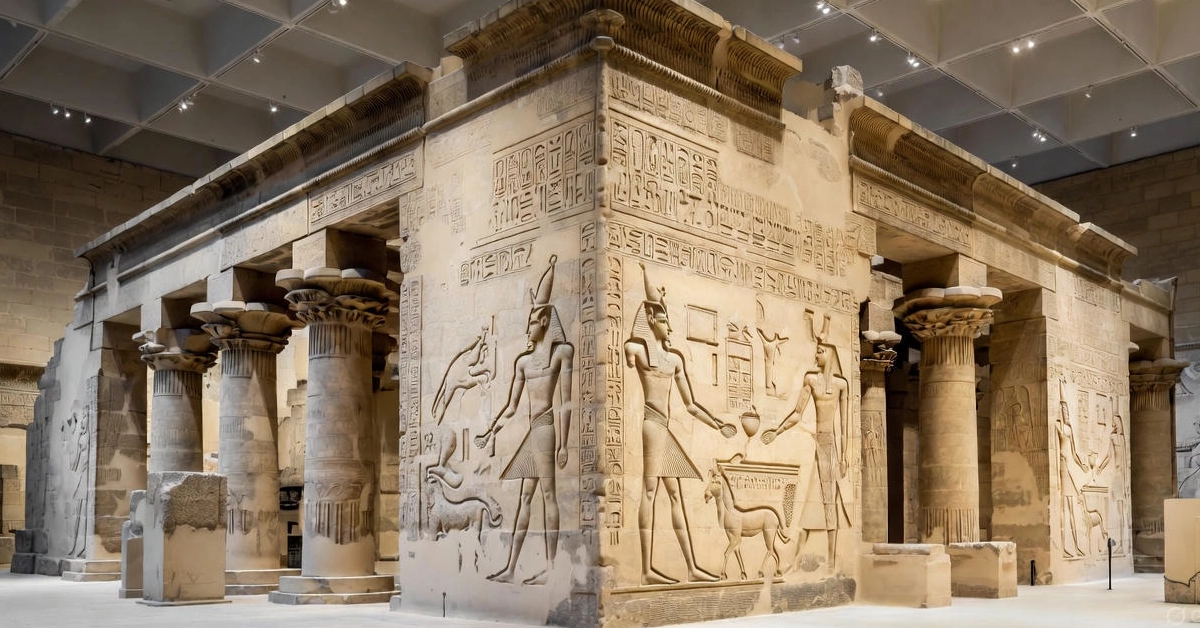
Wandering the Met’s halls is like flipping through a 5,000-year art timeline. With 17 departments, it’s encyclopedic—meaning it covers everything from ancient tools to fashion sketches. Start with the Egyptian wing, home to the Temple of Dendur. This whole temple was gifted from Egypt in the 1960s and reassembled here. It’s lit like a sunset over the Nile, making you feel the pharaohs’ world. Compared to the Brooklyn Museum’s smaller setup, The Met’s version dives deeper, with mummies and jewelry that tell daily life stories.
Then there are European paintings, packed with Impressionists like Van Gogh’s Starry Nights or Monet’s water lilies. These aren’t just pretty—they capture light and emotion in ways that hit home. If you’re comparing to MoMA down the street, which zeros in on modern stuff, The Met gives the full sweep, from Renaissance to now. Pro tip: Grab the free app for audio stories; it turns a quick glance into a chat with history. Skip the $7 guide if you’re on a budget.
Don’t miss the Michael C. Rockefeller Wing’s global artifacts, like Oceanic carvings that whisper island legends. One time, I stood there imagining a trader crossing oceans with these pieces. It’s that kind of spark. With over 1.5 million works, you could spend days, but focus on three favorites to avoid overload.
Current and Upcoming Exhibitions
The Met keeps things fresh with shows that pull in crowds. In 2025, “Divine Egypt” runs through January 19, 2026, spotlighting gods and rituals with glowing artifacts. It’s a hit for history buffs, blending old tales with new light. Then “Man Ray: When Objects Dream” hangs on till February 1, 2026, mixing photos and surreal sculptures—think everyday items turned weird and wonderful.
For something immersive, catch “Spectrum of Desire” through March 2026. It uses scents and sounds to make art pop, like smelling a garden while viewing floral paintings. Or “Seeing Silence” with Finnish artist Helene Schjerfbeck till April 5, 2026—quiet portraits that say so much. These tie into bigger trends, like VR add-ons for home peeks. Last year’s exhibits bumped attendance 40%, with 15% from abroad. Holidays amp it up; the Neapolitan Baroque Crèche nativity scene draws families through January 6, 2026.
Think of it like a seasonal menu—pick one that matches your mood. I recall squeezing into a packed 2024 show, but the energy made it worth it. Check the site for tickets; some sell out fast.
Planning Your Visit to The Met
Getting to The Met is half the fun, especially if you’re navigating NYC’s buzz. It’s at 1000 Fifth Avenue, open Sunday through Tuesday and Thursday from 10 a.m. to 5 p.m., Friday and Saturday till 9 p.m. Closed Wednesdays and big holidays like December 25. The Cloisters branch up in Fort Tryon Park has calmer medieval gardens—great for a half-day escape.
Tickets? Adults pay $30, seniors $22, students $17, and kids under 12 are free. New York tristate folks and students can suggest what they wish, easing that wallet pinch. Buy online to skip lines; it’s transactional smarts. Subway’s your friend—take the 4, 5, or 6 to 86th Street. Beats taxi gridlock, especially versus the Guggenheim’s twisty lines.
Once inside, grab a map at the entry. The place sprawls 2 million square feet, so plot your path. I always start at the Great Hall, that starry-ceiling welcome. For navigational ease, the app’s GPS helps—way better than wandering like I did my first time.
Tips to Beat Crowds and Save Money
The Met’s magic can fade under elbow-to-elbow weekends. Here’s how to dodge that. Hit early mornings on weekdays; doors open at 10 a.m., and it’s quiet till noon. Fridays after 5 p.m. feel like a secret club—fewer folks, more space to breathe. X users swear by this; weekends? Skip unless you’re okay with thousands jostling for that Dendur view.
Saving cash starts with knowing perks. Locals, lean on pay-what-you-wish—I’ve seen folks drop $5 and still feel like VIPs. Free for kids means family days cost less than lunch. Ditch paid audio for the app’s free tracks. Pair your visit with Central Park strolls outside—no extra dime.
For eco-friendly wins, use digital maps over paper ones. It cuts waste from shipping all those global pieces. One hack I love: Book a $25 timed slot online; it locks your entry and beats queues. These moves turn potential stress into smooth sailing.
- Early bird rule: Arrive by 10:15 a.m. weekdays for 30% less crowd density.
- Budget bundle: Suggest $10 if local, then hit free nearby spots like the park.
- App ally: Download for self-tours—saves $7 and adds fun facts on the fly.
Accessibility and Family Programs
Everyone deserves The Met’s wonders without hassle. Wheelchair users, enter via the side on 82nd Street—ramps and elevators make most spots doable. Loaners are free at info desks, and low ceilings? Staff can guide alternate paths. Seniors get $22 tickets; request quiet zones if noise overwhelms. It’s a step up from older museums, but reviews note stroller squeezes in tight halls.
For families, it’s a playground disguised as history. Kids under 12 enter free, and “Art Links” apps turn hunts into games—like spotting animal motifs with digital badges. Family days pop up monthly with crafts; one tied to Egyptian mummies had my friend’s kid hooked for hours. Compared to kid-only spots like the Children’s Museum, The Met’s scale means endless discovery, but plan breaks in the American Wing’s benches.
Neurodiverse tips fill a gap: Sensory backpacks with fidget tools are available. I saw a parent rave on X about how it changed their trip. Ask ahead for these—makes inclusion real.
Ethics and Repatriation Efforts
Art’s beauty hides tough stories, like where pieces came from. The Met’s owning up, returning 16 artifacts since 2023 under its Cultural Property Initiative. In 2025, sculptures went back to Iraq in May, then Italy and Spain in August. It’s about righting colonial wrongs, especially for non-Western items.
This ties to laws like NAGPRA for Native American goods. X buzz shows mixed feels—some cheer accountability, others worry about empty cases. But it enriches us all by honoring origins. Compare to the British Museum’s slower pace; The Met’s proactive, sparking talks on global access.
For visitors, it adds layers. Next to a returned spot’s label, read the full tale—it’s eye-opening. One anecdote: A guide shared how a Cambodian statue’s return led to loans back, keeping culture flowing.
The Met vs. Other NYC Museums
Why The Met over, say, MoMA? Scope’s the key. The Met’s 17 departments span millennia; MoMA sticks to modern, Whitney to American. If you crave variety—from Impressionists to African masks—it’s unbeatable. Size-wise, 2 million square feet dwarfs the Guggenheim’s spirals, but that means more walking.
Value shines in numbers: 5.7 million visitors in 2025 versus pre-2020 peaks elsewhere. Membership at $100+ scores unlimited entries and guest passes—beats $30 pops for repeat fans. Trends like VR tours edge it ahead; pair with free Frick visits for a cheap art hop.
Pain solver: If crowds bug you, The Met’s timed tickets help more than MoMA’s free Fridays chaos. It’s an encyclopedic heart versus specialized sips—pick based on your thirst.
Conclusion
Visiting The Met isn’t just a museum trip—it’s stepping into 5,000 years of human creativity, beauty, and stories. Whether you’re admiring the glow of the Temple of Dendur, wandering through European masterpieces, or exploring cutting-edge 2025 exhibits, every corner offers something unforgettable. With smart planning, a few money-saving tricks, and the right timing, your visit becomes smoother and even more magical. The Met keeps evolving—more ethical, more immersive, more global—and that’s what makes it worth returning to again and again. So grab your map, take a deep breath, and let art lead the way.